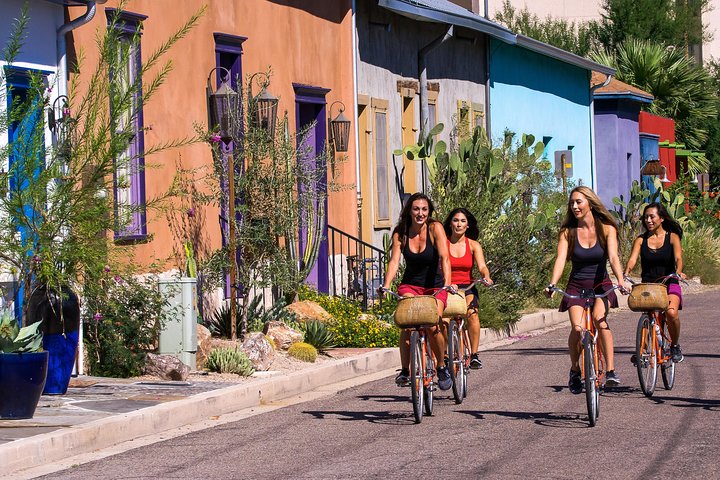
Things to Do in Tucson
Saguaros against a purple sky, mesquite smoke, and a city that feeds you like family.
Top Things to Do in Tucson
Find activities and tours you'll actually want to do. Book through our partners -- no booking fees.


Plan Your Trip
Essential guides for timing and budgeting
Climate Guide
Best times to visit based on weather and events
View guide →Day Trips
The best excursions and nearby destinations worth the journey
Explore day trips →Where to Stay
Best neighbourhoods, hotel picks, and booking tips
Find hotels →Travel Insurance
What's required, what coverage matters, and how to get a quote
Read guide →What to Pack
Climate-specific gear, essentials, and what to leave at home
See packing list →When Should You Visit Tucson?
Tap a month for weather, crowds, and highlights
View full year-round climate guide →Explore Tucson
Arizona Sonora Desert Museum
Landmark
Catalina State Park
City
Downtown Tucson Historic District
District
Gates Pass
Landmark
International Wildlife Museum
Landmark
Kartchner Caverns State Park
City
Mission San Xavier Del Bac
Landmark
Mount Lemmon
City
Old Tucson
Landmark
Pima Air And Space Museum
Landmark
Reid Park Zoo
Landmark
Sabino Canyon Recreation Area
Landmark
Saguaro National Park
City
Tohono Chul Park
Landmark
Tucson Botanical Gardens
Landmark
Tucson Mountain Park
Landmark
Your Guide to Tucson
About Tucson
Tucson arrives by smell and light before you see a single roof. Step out of the airport at late afternoon and the first hit is creosote after rare rain, sharp, clean medicine that has perfumed this desert for ten thousand years. Next comes the light, liquid gold spilling over the Catalina Mountains, every saguaro standing guard.
The city lives outdoors, from the picnic tables at El Guero Canelo on South 12th Avenue, where a bacon-wrapped Sonoran dog costs about five dollars and tastes like a small miracle, to the lantern-lit patios of Downtown's Congress Street, live conjunto music mixing with clinking local craft beer. The trade-off is summer heat, a dry, insistent oven that hits 105 degrees and keeps Tucson indoors from noon till sundown, streets hushed.
That same heat ripens chiltepin peppers in Barrio Viejo backyards, fuels fiery sunsets, and makes a prickly pear margarita on a cooled patio feel like a sacrament. You come to remember what a place tastes like, and to walk a landscape that refuses to be tamed.
Travel Tips
Transportation: Tucson is a driving city. But renting a car means fighting aggressive sun that fades interiors and a downtown core where parking can be a hunt. The Sun Link streetcar, a surprisingly sleek line connecting the University area to Downtown and the Mercado District, is your best friend for a dollar seventy-five a ride. It bypasses traffic and drops you steps from the best eating. For anything further out, say a hike in Sabino Canyon or a pilgrimage to Mission San Xavier del Bac, you will need wheels. Just know that a ride-share from the airport to a central hotel will likely run you about twenty-five dollars, often cheaper than a rental for a short trip.
Money: Cash is still king at the essential places: roadside fruit stands selling pecans and dates on Speedway Boulevard, family-run taquerias, stalls at the Tuesday night Rillito Park farmers market. You will find ATMs. But the ones in convenience stores often have fees. Credit cards are fine in most sit-down restaurants and hotels. A solid local meal, think a carne seca burrito and a horchata at a place like Mi Nidito, tends to be surprisingly affordable, often under fifteen dollars a person. The real splurge in Tucson is on guided experiences, like a stargazing tour in the desert or a hot air balloon ride over the saguaro forests.
Cultural Respect: This is a borderlands city with deep Native American and Mexican roots, and that history is lived, not displayed. When visiting the impressive Mission San Xavier del Bac, remember it is an active Tohono O'odham parish, not a museum. Dress modestly and keep your voice low. In historic barrios like Viejo, you are walking past people's homes adorned with lively murals. Admire, but do not trespass. The pace here is deliberately slower, in the heat. Impatience, honking your horn in traffic or rushing a server, reads as profoundly rude. Listen more than you talk, and you will learn the difference between a chimichanga and a chivichanga.
Food Safety: The soul of Tucson's food scene lives at intersections. Think food trucks parked in vacant lots, oldest family-run Mexican restaurants in the country, roadside grills. The rule of thumb is simple: follow the line. If locals queue at a window like BK Carne Asada & Hot Dogs, turnover is high and food is fresh. The city's UNESCO City of Gastronomy designation is not about fine dining. It is about integrity of ingredients like heirloom Tohono O'odham white tepary beans. Eat adventurously and safely by sticking to places where food is cooked to order right in front of you. Avoid lukewarm buffet-style mole at tourist spots. Seek the sizzle of a fresh-made flour tortilla on a comal.
When to Visit
Your experience of Tucson depends on your tolerance for dry heat. The sweet spot is late October through April, when daytime highs are a gentle 70 to 80 degrees Fahrenheit, nights crisp enough for a sweater, and the desert is in bloom. Hotel rates peak then, often doubling from summer lows, and you will need to book months ahead, for events like the Tucson Gem & Mineral Show in February.
May and June warm up dramatically, hitting the 90s and 100s. But humidity is still low and swimming pools are open. It is a decent budget-friendly window if you plan around midday sun. July through September is monsoon season, and Tucson transforms. Heat is intense, routinely exceeding 105 degrees. But afternoon thunderstorms roll over the Catalinas with theatrical violence, cooling air and releasing that famous creosote scent.
Hotel prices plummet, sometimes by half, and you will have hiking trails largely to yourself if you start at dawn. Just be ready for flight delays and occasional washed-out roads. If you come for the desert's moody, dramatic side and do not mind scheduling life around air conditioning, monsoon months offer raw, powerful beauty you will not see any other time.
More Ways to Experience Tucson
Tours, day trips, and local experiences curated by on-the-ground operators.
Didn't see anything interesting yet?
Browse Viator's full catalog of tours, day trips, food experiences, and private guides in Tucson.
See All Tucson Tours on Viator